
1. Godzilla Minus Zero Continues One of the Strongest Recent Godzilla Stories
One of the biggest reasons to watch Godzilla Minus Zero is its connection to Godzilla Minus One.
The previous movie showed that a giant monster could be terrifying without becoming the only interesting part of the story.
Instead of focusing entirely on military operations and enormous battles, it followed ordinary people living through extraordinary circumstances.
Koichi Shikishima, played by Ryunosuke Kamiki, was a former kamikaze pilot struggling with guilt and the emotional consequences of war.
His journey made the film feel personal.
When Godzilla appeared, the danger mattered because viewers already understood what the characters had lost and what they were trying to protect.
Godzilla Minus Zero has an opportunity to build on that foundation.
Rather than starting with unfamiliar characters, the sequel can explore what happens after survivors begin rebuilding their lives.
That continuity could give the new film emotional weight before Godzilla even appears.
2. Godzilla Is Still One of Cinema’s Most Terrifying Monsters
Few movie monsters have remained culturally relevant for as long as Godzilla.
Since its first appearance in 1954, the creature has represented different fears across different generations.
Sometimes, Godzilla is an unstoppable disaster. In other films, it becomes an unlikely protector against even greater threats.
Godzilla Minus One returned to a particularly frightening version of the monster.
Its Godzilla was not a friendly giant or a heroic creature waiting to save humanity.
It was a devastating force capable of destroying cities and overwhelming almost anything standing in its path.
Godzilla Minus Zero appears ready to continue that approach.
The creature’s enormous size and destructive power remain central to the film’s appeal.
But the real challenge is making Godzilla feel frightening again.
Audiences have already seen what the monster can do. The sequel must create new situations that make its presence feel dangerous rather than familiar.
3. Takashi Yamazaki Returns as Director
The return of Takashi Yamazaki is another major reason to be excited.
Yamazaki directed, wrote, and supervised the visual effects of Godzilla Minus One.
His work helped the film achieve a balance between human drama and spectacular destruction.
For Godzilla Minus Zero, he returns to the same creative responsibilities.
That matters because the previous film had a distinctive storytelling style.
Its quieter scenes were just as important as its action sequences, and its characters were allowed to experience fear, grief, and hope without the story constantly rushing toward another monster attack.
Keeping the same filmmaker provides an opportunity to preserve that identity.
However, it also creates expectations.
Audiences will naturally want something that feels familiar while still offering new ideas.
If Yamazaki can expand the story without repeating it, Godzilla Minus Zero could become a meaningful continuation rather than simply another sequel.
4. The Returning Characters Give the Story Emotional Stakes
Ryunosuke Kamiki returns as Koichi Shikishima, while Minami Hamabe reprises her role as Noriko.
Their relationship was central to the emotional impact of Godzilla Minus One.
Both characters had experienced enormous suffering, but they were gradually learning how to build a life together.
That makes their return important.
The sequel isn’t just about whether Japan can survive another attack.
It’s also about whether people who have already lost so much can protect the future they have worked to create.
Audiences who connected with Koichi and Noriko in the previous film will have a reason to care about their next chapter.
Of course, the sequel needs to give these characters meaningful development.
Repeating the same emotional struggles without introducing new challenges could weaken the story.
But their established relationship gives the filmmakers a strong starting point.
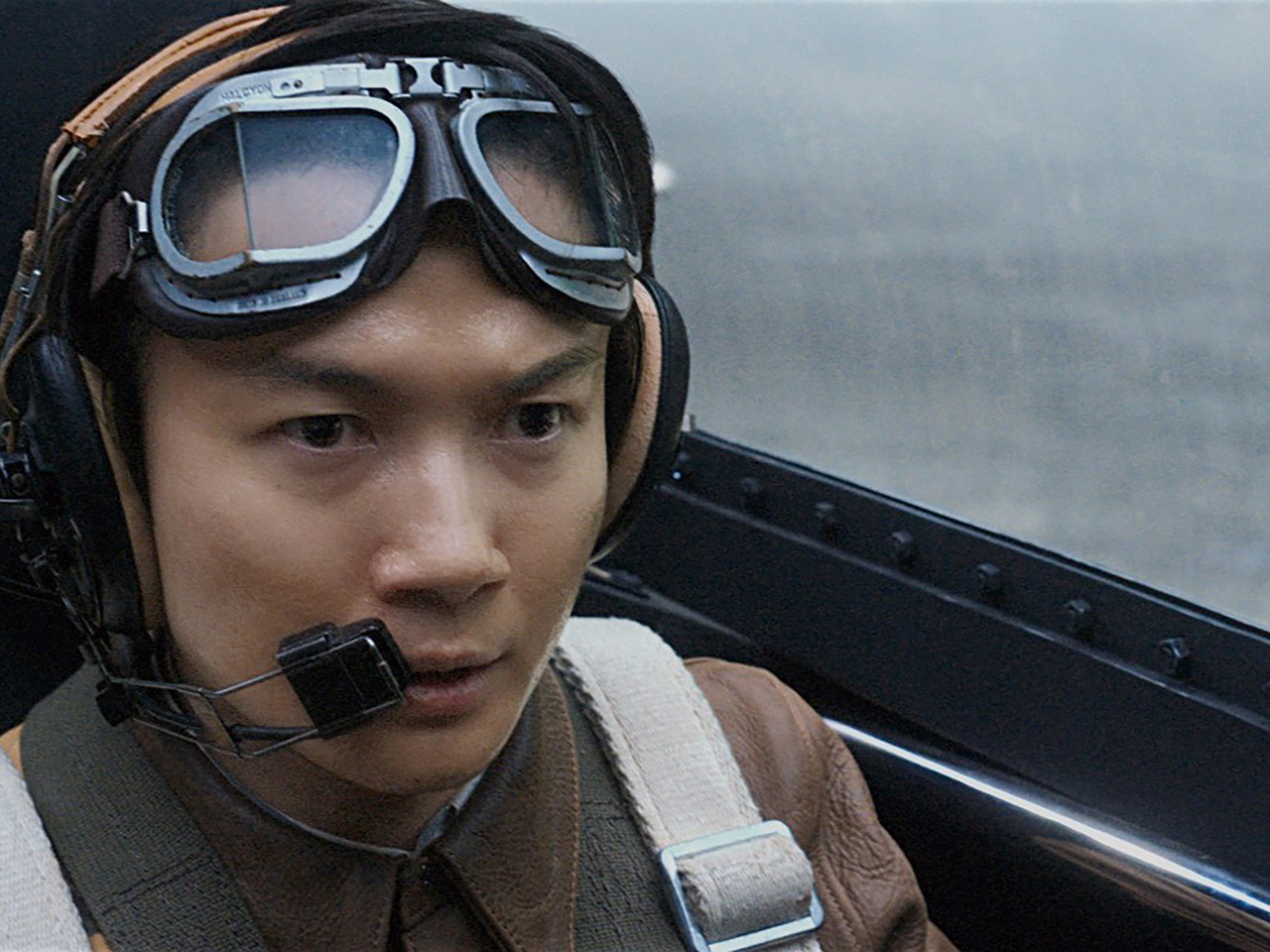
5. The 1949 Setting Makes the Danger Feel More Real
Godzilla Minus Zero takes place in 1949, only a few years after the end of World War II.
Japan is still rebuilding its cities, economy, and communities.
This historical setting makes the appearance of Godzilla particularly devastating.
Unlike modern monster movies, the characters cannot rely on advanced technology or contemporary military equipment.
They must respond with the resources available during that period.
That limitation creates opportunities for suspense.
Finding a way to survive may require careful planning, cooperation, and unconventional solutions.
The historical setting also makes the destruction more meaningful.
For a society already recovering from war, another catastrophe threatens not only buildings but also the fragile hope that life can become normal again.
6. The Sequel Could Make the Monster Even More Dangerous
Promotional material for Godzilla Minus Zero suggests that humanity will face a new crisis connected to the monster’s return.
The story also introduces mysterious disturbances that may complicate the characters’ understanding of the threat.
This creates interesting possibilities.
Will the people of Japan face a more destructive version of Godzilla?
Could the creature’s presence be connected to unusual environmental changes?
How will the survivors respond if their previous methods no longer work?
These questions make the sequel intriguing.
However, it is important not to confuse speculation with confirmed story details.
The film’s complete explanation of its new threat has not been established through the official promotional information available before release.
For now, the mystery is part of the excitement.
7. The Visual Effects Could Be Spectacular
Godzilla Minus One won the Academy Award for Best Visual Effects at the 2024 Oscars.
That achievement raised expectations for the sequel.
The original movie made Godzilla feel enormous through carefully designed interactions with buildings, water, smoke, and the surrounding environment.
Its destruction sequences were impressive because the creature appeared to have genuine weight.
Godzilla Minus Zero has an opportunity to build on that technical achievement.
With SHIROGUMI returning to handle visual effects, the sequel could deliver more ambitious sequences while maintaining the physical presence that made its predecessor so convincing.
Still, visual effects are only one part of a successful monster movie.
The most memorable destruction scenes are usually those where the audience understands exactly who is in danger.
If the sequel maintains that connection, its spectacle could become genuinely frightening rather than merely impressive.
8. The IMAX Experience Could Make Godzilla Feel Enormous
Godzilla Minus Zero has been promoted as the first Japanese production filmed for IMAX.
The format offers an opportunity to present Godzilla on an especially large scale.
Expanded image framing can make the difference between the monster and the humans below it feel more dramatic.
That is particularly effective for a creature whose enormous size is central to its identity.
Imagine watching Godzilla emerge from the ocean while the screen captures both its towering body and the tiny people struggling to escape.
That contrast could make the threat feel overwhelming.
Sound is another important part of the experience.
A powerful theatrical sound system can make Godzilla’s footsteps, roar, and destructive attacks feel more intense.
Of course, IMAX is not essential for enjoying a good film.
But for viewers who love cinematic spectacle, Godzilla Minus Zero could be especially rewarding on a large screen.
9. The Human Story Could Be Just as Important as the Action
The best reason to care about Godzilla Minus Zero may not be the monster itself.
It may be the people trying to survive.
Godzilla Minus One succeeded because it understood that destruction becomes more meaningful when audiences care about the characters affected by it.
The sequel can explore what happens when survivors face another disaster before fully recovering from the first.
Koichi and Noriko have already experienced extraordinary hardship.
The possibility of losing their fragile peace creates emotional tension even before the action begins.
This approach could make the film more memorable than a straightforward series of monster attacks.
Instead of asking only how humanity can defeat Godzilla, the story can ask what makes survival worthwhile.
That question gives the franchise a human dimension that remains relevant regardless of how large the creature becomes.
10. The Supporting Cast Could Make the World Feel More Alive
Godzilla Minus Zero brings back several supporting characters from the previous film.
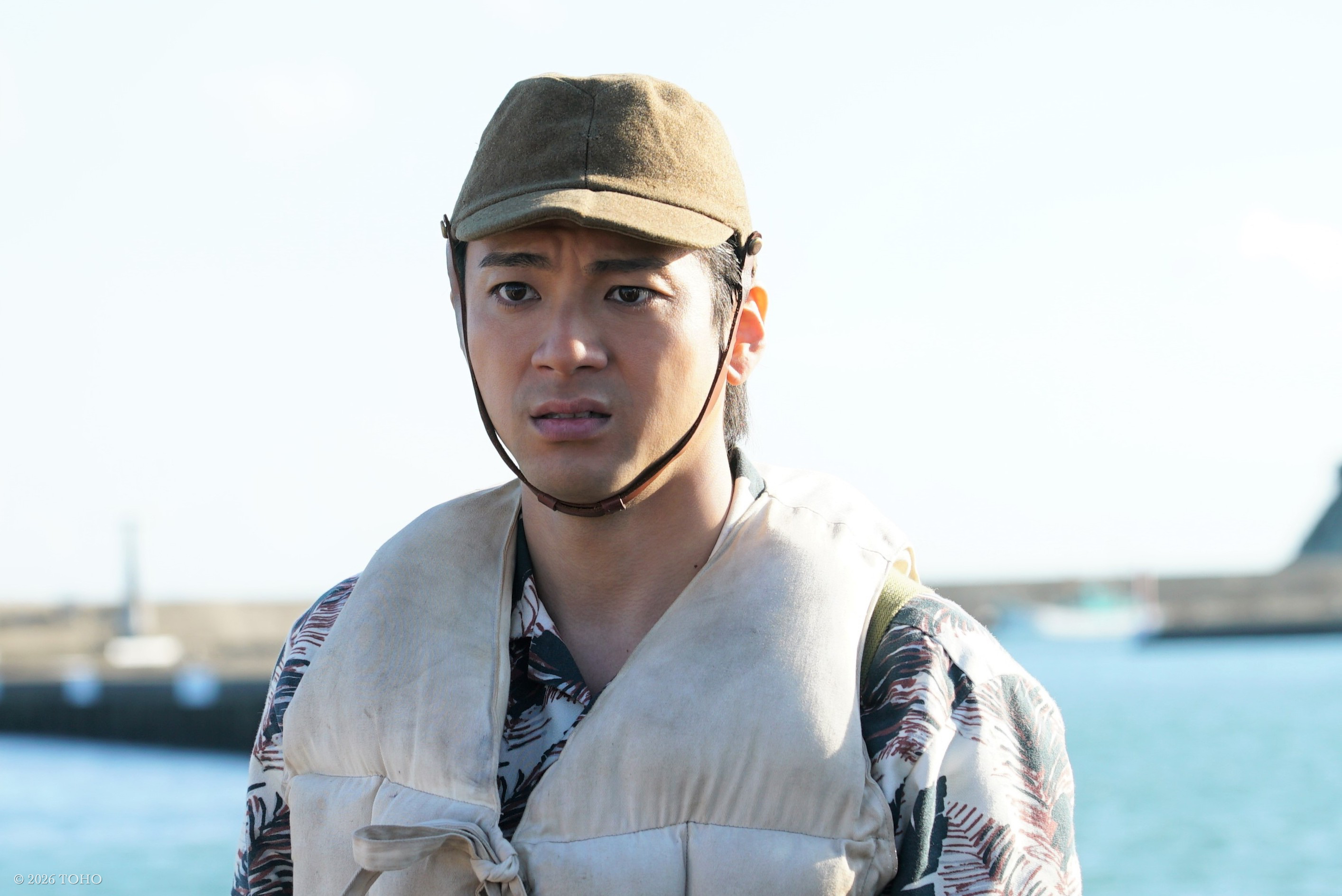
Hidetaka Yoshioka returns as Kenji Noda, Yuki Yamada reprises Shiro Mizushima, and Kuranosuke Sasaki returns as Seiji Akitsu.
Sakura Ando also returns as Sumiko Ota.
These characters helped establish the sense of community that made Godzilla Minus One emotionally effective.
The previous film showed that ordinary people could contribute to a shared effort even when they lacked conventional military power.
Their return offers an opportunity to continue that theme.
It also allows the sequel to show how different survivors have changed during the years between the two stories.
New characters, including scientists and disaster-response specialists, could add further perspectives.
If these roles are developed carefully, the film could expand its world without losing the personal storytelling that made the original so effective.
11. Godzilla Minus Zero Could Explore the Cost of Repeated Disasters
Surviving a catastrophe doesn’t mean its emotional consequences disappear.
People may rebuild their homes, return to work, and begin forming new relationships, but memories of what happened can remain.
Godzilla Minus Zero has the opportunity to explore that reality.
Its characters are living in a society still recovering from war and a previous encounter with Godzilla.
Another disaster threatens to reopen wounds that have barely begun to heal.
This creates an interesting emotional challenge.
How do people find the courage to face danger again when they know exactly how much they could lose?
How do they continue building a future when another catastrophe always seems possible?
These themes could give the sequel depth beyond its monster-movie spectacle.
They also connect the story to a long tradition of Japanese Godzilla films exploring fear, destruction, and humanity’s response to overwhelming forces.

12. It Could Become Another Memorable Chapter in Godzilla History
Godzilla has appeared in numerous films since the original Japanese release in 1954.
Across those decades, the franchise has changed dramatically.
Some entries focus on large-scale monster battles, while others use Godzilla as a symbol of humanity’s fears and failures.
Godzilla Minus One demonstrated that the franchise could still deliver a powerful standalone story with strong emotional stakes.
Godzilla Minus Zero now has an opportunity to build on that success.
Its combination of historical drama, returning characters, and ambitious visual effects could make it an important addition to the series.
However, its legacy will depend on the finished film.
A sequel cannot become memorable simply by repeating the strengths of its predecessor.
It needs its own identity, meaningful character development, and a story that justifies returning to this world.
If it achieves those goals, Godzilla Minus Zero could become much more than another monster movie.
Is Godzilla Minus Zero Better Than Godzilla Minus One?
It’s too early to answer that question.
Godzilla Minus One set a high standard through its emotional storytelling, visual effects, and memorable characters.
The sequel has several promising elements, including the return of its director and cast.
But bigger production ambitions don’t automatically result in a better film.
Godzilla Minus Zero will need to demonstrate that its new story is just as compelling as the previous one.
For now, the fairest approach is to view it as a promising sequel rather than an established improvement.
Who Should Watch Godzilla Minus Zero?
Godzilla Minus Zero could appeal to several types of moviegoers.
- Godzilla fans: Viewers who enjoy the franchise’s history and different interpretations of the monster.
- Science-fiction audiences: People interested in large-scale threats and imaginative disaster scenarios.
- Fans of Japanese cinema: Viewers who appreciate historical settings and character-driven storytelling.
- Action movie enthusiasts: Audiences who enjoy spectacular destruction and intense survival sequences.
- Fans of Godzilla Minus One: Anyone interested in seeing how Koichi, Noriko, and the other survivors continue their stories.
However, viewers expecting a light-hearted monster adventure should remember that this version of Godzilla places considerable emphasis on fear, destruction, and human suffering.
When Will Godzilla Minus Zero Be Released?
Godzilla Minus Zero is scheduled to premiere in Japanese cinemas on November 3, 2026.
Its North American theatrical release is scheduled for November 6, 2026, with selected IMAX early-access screenings beginning November 3.
Indonesia’s Film Censorship Board lists November 4, 2026, as the local release date.
Actual screening dates and formats may vary by location, so audiences should confirm availability through official cinema listings.
Frequently Asked Questions
Is Godzilla Minus Zero worth watching?
Godzilla Minus Zero looks promising for fans of monster movies, historical science fiction, and emotional storytelling. However, its overall quality cannot be judged definitively before the film is released.
Is Godzilla Minus Zero a sequel?
Yes. It is a direct sequel to Godzilla Minus One (2023), continuing the story of several returning characters.
Who directs Godzilla Minus Zero?
Takashi Yamazaki returns as director, writer, and visual effects supervisor.
When does Godzilla Minus Zero take place?
The film is set in Japan in 1949, two years after the events of Godzilla Minus One.
Will Godzilla Minus Zero be available in IMAX?
The film has been promoted as a Japanese production filmed for IMAX, with selected IMAX screenings announced for its theatrical rollout.
Should I watch Godzilla Minus One first?
Yes. Watching Godzilla Minus One first is recommended because the sequel continues the relationships and events established in the previous film.
Will Godzilla Minus Zero be scarier than Godzilla Minus One?
That remains uncertain. The sequel appears to continue the frightening portrayal of Godzilla, but its effectiveness will depend on the finished film’s direction, atmosphere, and storytelling.
Final Verdict: Why Godzilla Minus Zero Deserves a Place on Your Watchlist
Godzilla Minus Zero has the potential to be one of the most exciting monster movies of 2026 because it combines the return of an iconic creature with an established emotional story.
The sequel benefits from several important strengths.
Takashi Yamazaki is returning as director, familiar characters are continuing their journeys, and the 1949 setting provides a distinctive historical backdrop.
Its ambitious visual effects and IMAX presentation could also make Godzilla’s return feel especially powerful on the big screen.
But the greatest reason to watch may be the human story behind the destruction.
Godzilla Minus One reminded audiences that a monster movie becomes more meaningful when viewers care about the people in danger.
Godzilla Minus Zero now has an opportunity to continue that idea.
Whether it ultimately surpasses its predecessor remains to be seen.
For now, it looks like a film worth anticipating, particularly for viewers who want more than spectacular destruction from their monster movies.
If the sequel can combine terrifying action with the same emotional honesty that made Godzilla Minus One so memorable, Godzilla Minus Zero could become another powerful chapter in the franchise’s long history.



0 Comments
Share your perspective on this story. Keep the conversation thoughtful and respectful.